NFT Development
NFTs (non-fungible tokens) are digital assets
that are unique and cannot be replaced by another identical asset. They are built on blockchain technology and are often used to represent digital art, collectibles, and other unique digital assets. If you want to develop an NFT, here are the basic steps you need to follow :
- Understand the basics of blockchain technology and how it applies to NFTs. It is important to have a good understanding of smart contracts and the Ethereum blockchain, as the majority of NFTs are currently built on Ethereum.
- Choose a programming language to build your NFT. Popular choices include Solidity (for smart contracts on Ethereum), JavaScript, and Python.
- Decide on the type of NFT you want to create. NFTs can be used to represent digital art, collectibles, in-game items, virtual real estate, and more.
- Create the digital asset that will be represented by the NFT. This could be an image, video, audio, or other type of digital content.
- Create a smart contract that will manage the ownership and transfer of the NFT. This smart contract will include the unique characteristics of the NFT and the rules for transferring ownership.
- Use a tool like OpenZeppelin or Truffle to deploy the smart contract to the Ethereum blockchain.
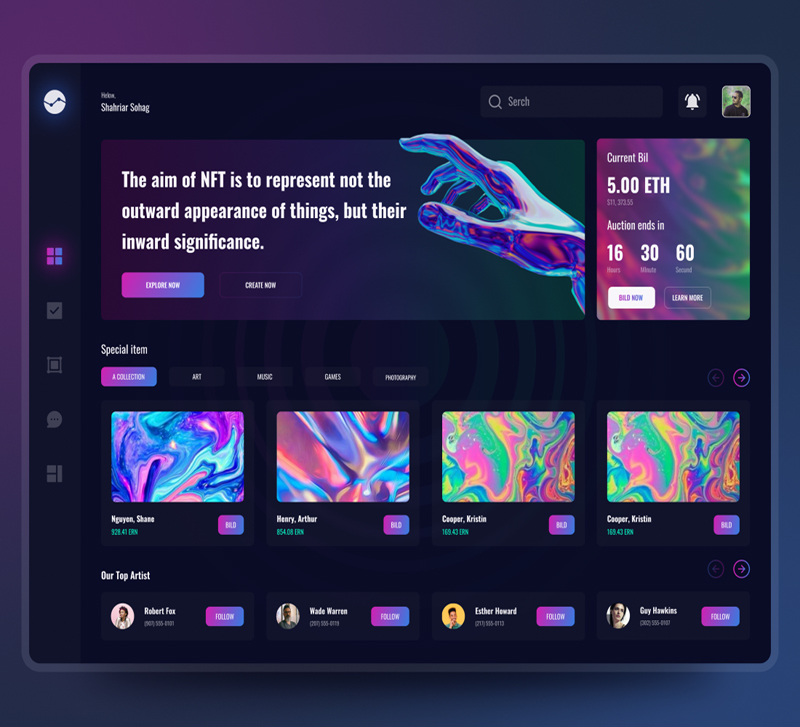
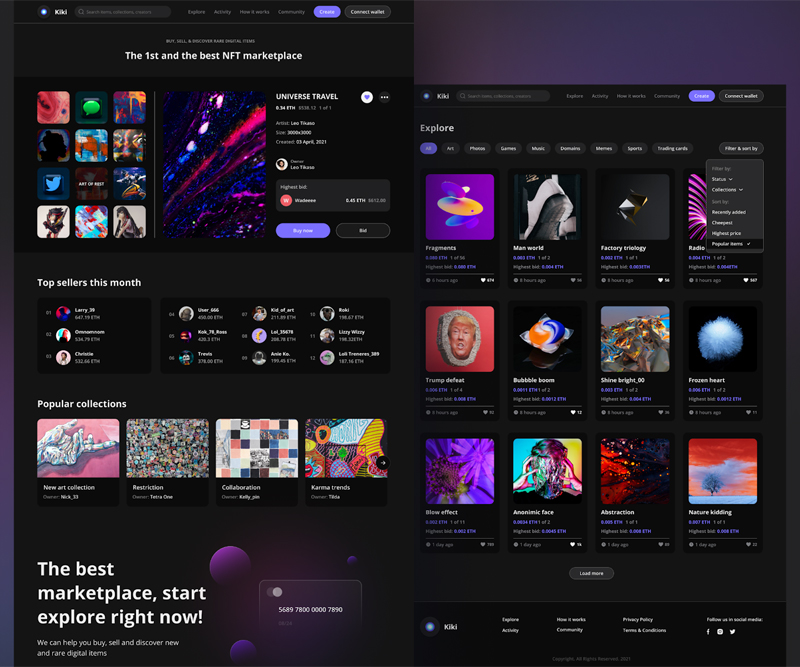
- Create a user-friendly interface that allows users to easily view and purchase the NFT.
- Test your NFT thoroughly and fix any bugs before releasing it to the public.
- Continuously monitor and update the NFT to ensure it stays secure and continues to work seamlessly with the blockchain.
It is important to note that developing an NFT is a complex process and requires a good understanding of blockchain technology and smart contract development. It may be a good idea to seek the help of blockchain experts and experienced developers. Additionally, the NFT market is evolving fast and new technologies and platforms are appearing, it's important to stay updated and adapt to new developments.